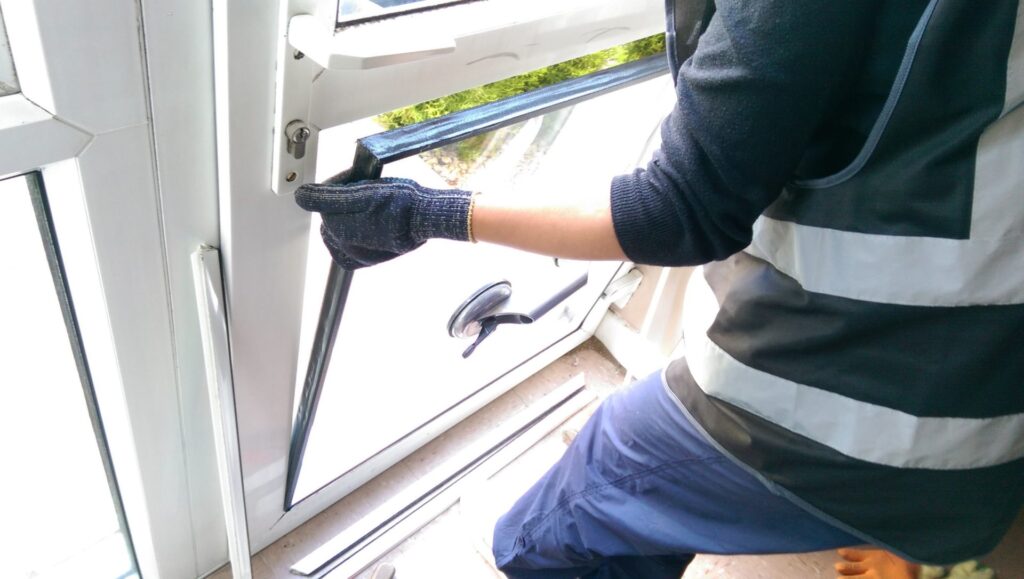
Window Restoration: Reviving the Charm and Functionality of Historic Windows
Window restoration is an art that integrates craftsmanship, historic knowledge, and modern-day methods to revive old windows. Often found in historical homes and structures, the restoration process not just preserves the architectural integrity of these structures however likewise enhances their energy performance. With many property owners looking for sustainable services, window restoration is becoming a significantly popular option over replacement. This article explores what window restoration involves, its benefits, and the common strategies involved.
Comprehending Window Restoration
Window restoration refers to the procedure of fixing and restoring the original condition of windows, particularly in historic buildings. It differentiates itself from window replacement, where entire window units are eliminated and replaced with brand-new ones. Instead, restoration keeps the original materials and design while repairing concerns such as rot, drafts, and broken glass.
Secret Phases of Window Restoration
- Assessment: The primary step includes a comprehensive examination of the windows' condition. This includes checking for rot, decay, and structural integrity.
- Disassembly: For effective restoration, windows may require to be dismantled. repairmywindowsanddoors enables a detailed inspection and easier access to all parts.
- Fixing Components: This phase focuses on fixing or changing broken parts, consisting of sills, frames, sashes, and glass panes.
- Reassembly: After repairs, the window parts are reassembled, guaranteeing they work as initially created.
- Ending up Touches: Finally, the windows are painted or stained to match the historic aesthetic of the structure.
Advantages of Window Restoration
- Conservation of Historical Value: Restoring windows keeps the original character of a building, protecting its historic significance and aesthetic appeal.
- Energy Efficiency: Modern weatherstripping, caulking, and glazing strategies can substantially enhance energy effectiveness without compromising the initial style.
- Cost-Effectiveness: Restoration can be cheaper than full window replacement and can increase the value of the home.
- Environmental Impact: By choosing restoration over replacement, house owners can decrease waste and the demand for brand-new products, leading to a more sustainable technique.
Common Techniques in Window Restoration
| Method | Description |
|---|---|
| Sash Repair | Repairing the movable parts of double-hung windows. |
| Glazing | Replacing old putty and reglazing glass for much better insulation. |
| Weatherstripping | Setting up or updating weatherstripping to minimize air leakages. |
| Rot Repair | Utilizing epoxy or replacement strategies for decomposed wood. |
| Painting/Staining | Restoring the original finish or applying new protective finishings. |
Tools and Materials Needed for Window Restoration
The tools and products needed for window restoration might vary depending upon the particular nature of the task, but typical products include:
- Toolbox: A basic toolkit with important hand tools like hammers, chisels, and screwdrivers.
- Rot Repair Epoxy: For fixing decayed wood parts.
- Putty Knives: For applying glazing putty.
- Paint and Primer: Suitable for exterior use to protect versus elements.
- Weatherstripping Material: Various types available based on window style and condition.
- Glass Cutter: If replacing any glass panes is essential.
Maintenance After Restoration
After successfully bring back windows, ongoing maintenance is important to guarantee their durability. Here are some maintenance suggestions:
- Regular Inspections: Check for signs of rot, wear, or damage every six months.
- Appropriate Cleaning: Use mild cleansing services to avoid damaging glazing or frames.
- Repaint or Restain As Needed: Protect the wood from environmental damage by preserving finishes and using brand-new layers when the old ones start to fade.
Frequently Asked Questions About Window Restoration
1. How do I understand if my windows require restoration?
Common signs consist of difficulty opening and closing, noticeable rot or decay, drafts, and inadequate insulation.
2. Can I restore windows myself?
While some house owners successfully restore their windows, the intricacy of certain repairs frequently requires the skills of a professional, especially for historical structures where keeping integrity is vital.
3. How long does the restoration process take?
The timeframe can differ based upon the variety of windows and their condition. Generally, it might take a few days to numerous weeks to complete the restoration appropriately.
4. Is window restoration expensive?
While the expense can differ extensively, it tends to be less than a full window replacement. Elements affecting expense consist of the extent of repairs and the products used.
5. Will restored windows be as energy-efficient as brand-new ones?
With modern-day techniques, brought back windows can accomplish similar energy performance to brand-new ones, particularly when combined with weatherstripping and proper glazing techniques.
Window restoration serves as a necessary procedure not only for preserving the historical appeal of buildings however also for improving their energy effectiveness. By preserving original materials and workmanship, homeowners can take pleasure in functional and aesthetically pleasing windows that narrate of their own. Whether choosing for a DIY technique or working with specialists, understanding the nuances of window restoration can cause worthwhile and sustainable results, keeping history alive for generations to come.